
Guyana 2026: Rainforest Birds, Guianan Shield Endemics, and Wildlife
Guyana 2026: Rainforest Birds, Guianan Shield Endemics, and Wildlife
October 1st – 13th, 2026
Tour Length: 13 days
Est. Spaces Left: Contact us for spaces!







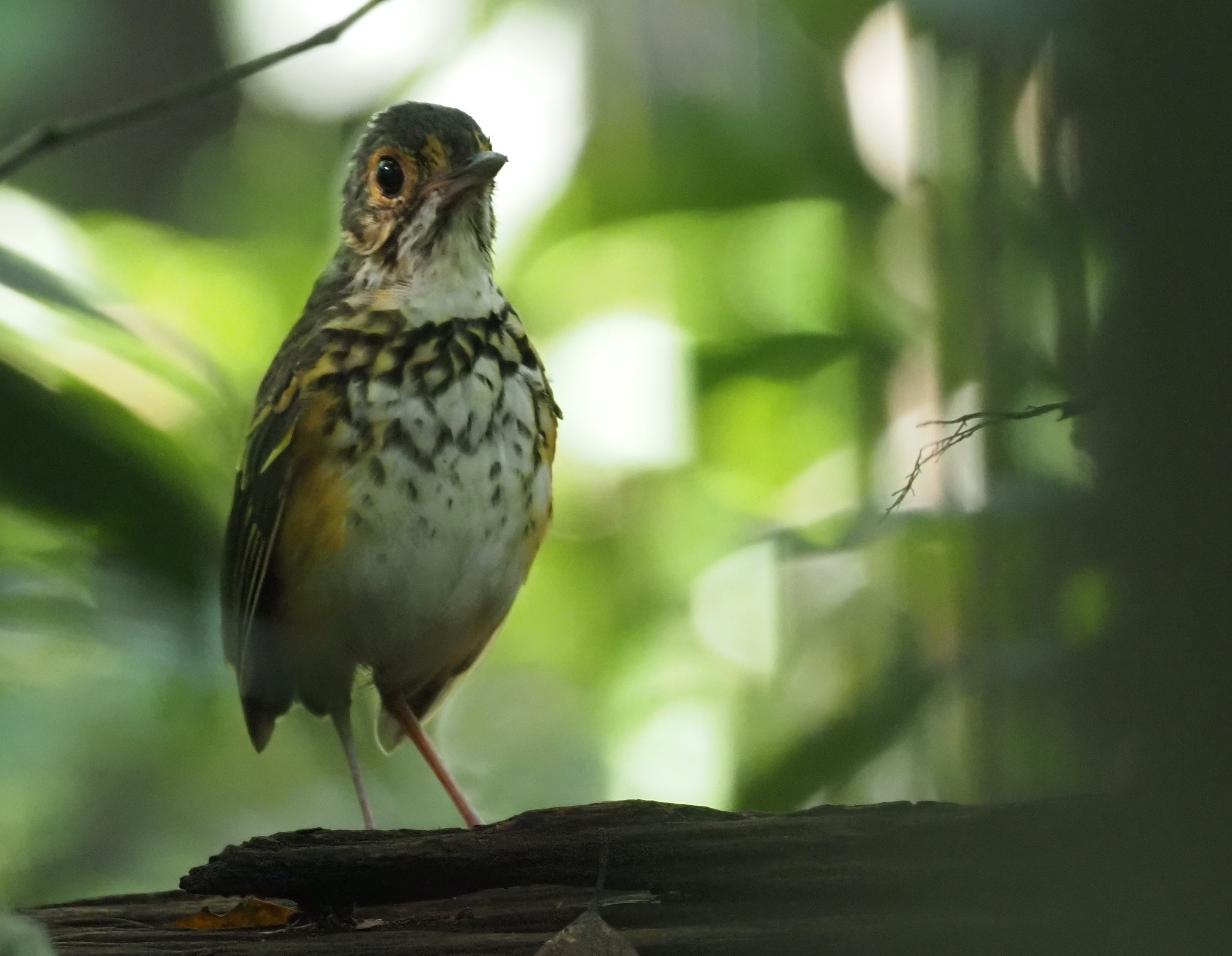


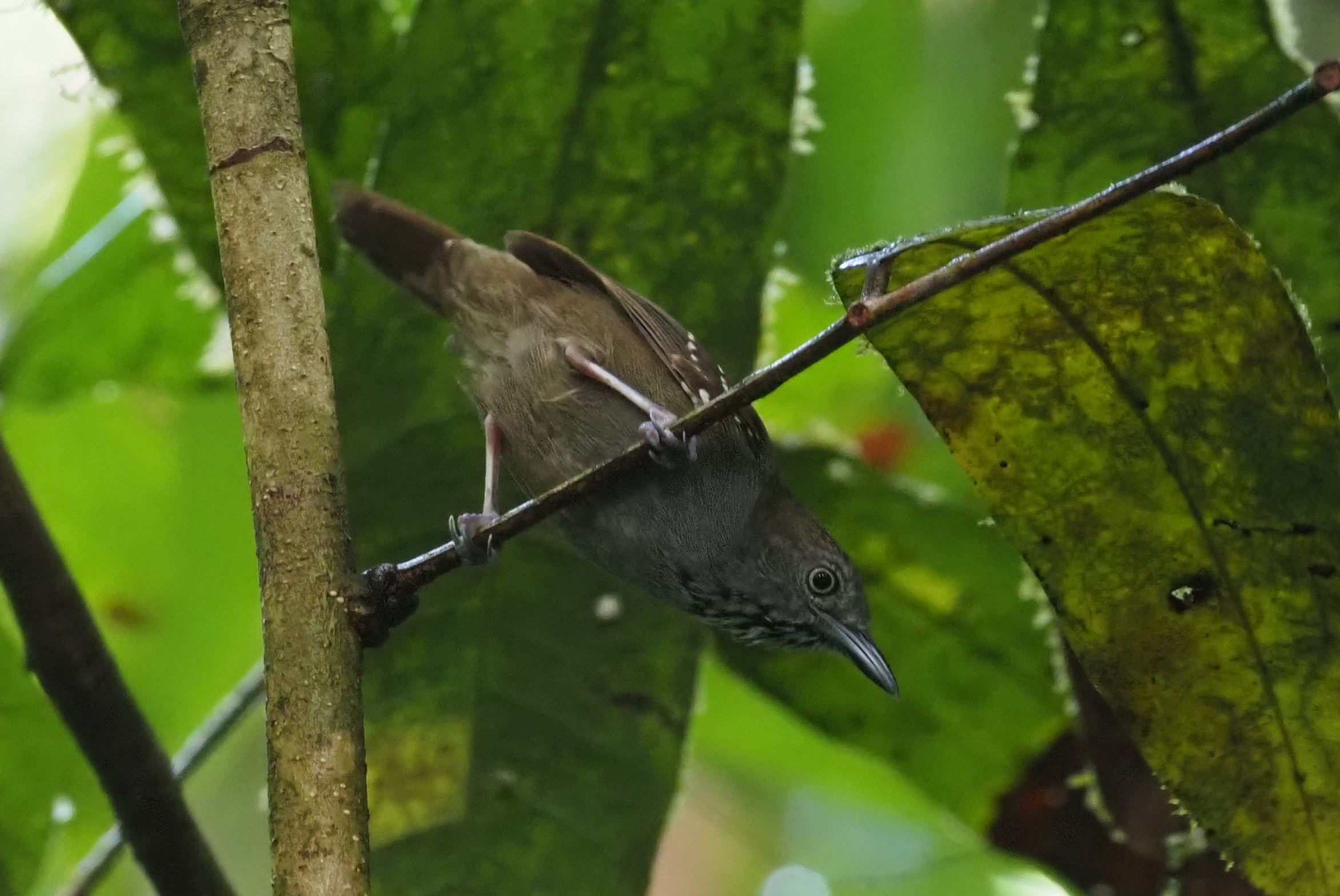
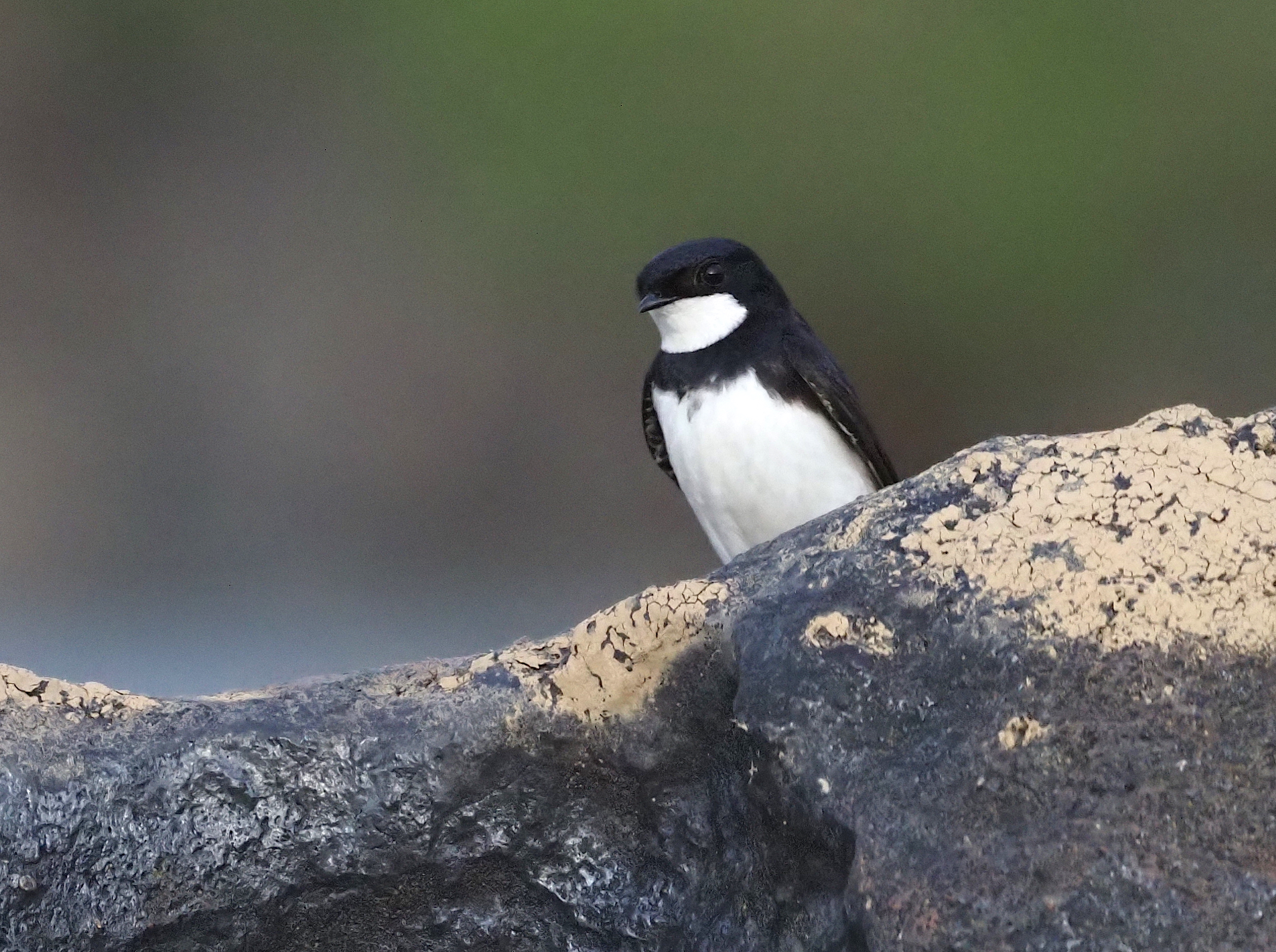

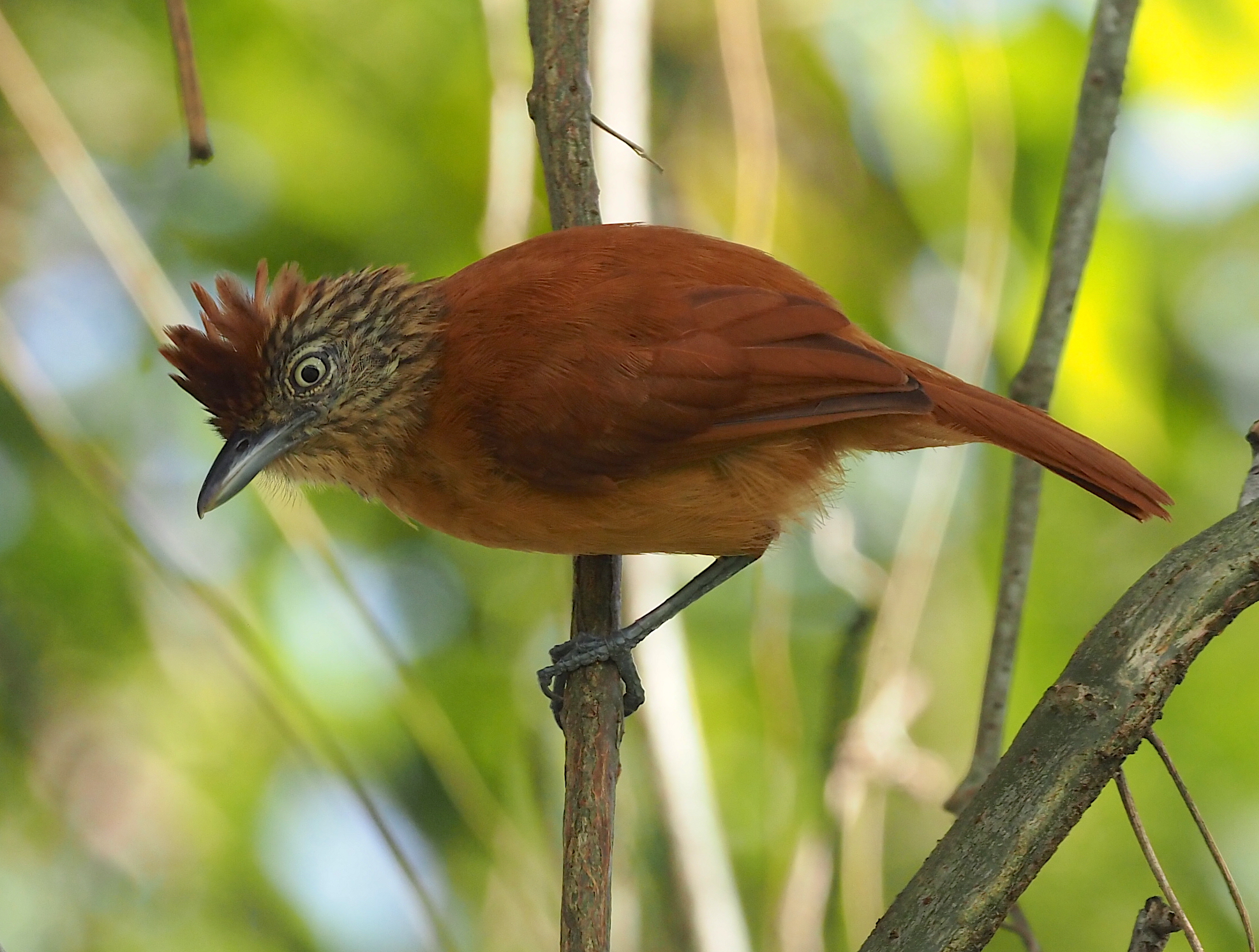







Tour Leaders
Focus
Birds, Photography, Wildlife, Culture
Price
Double Accommodation: $7200/person
Single Supplement: + $500
Deposit: $1,000
Max Group Size
8 (with 2 leaders)
Pace
Moderate; longer walks, mostly flat trails,
relatively long days in the field and early starts.
Future Departures
Tour Description
Day 1: Arrival in Georgetown and transfer to the hotel in Georgetown. We will meet for a welcome dinner.
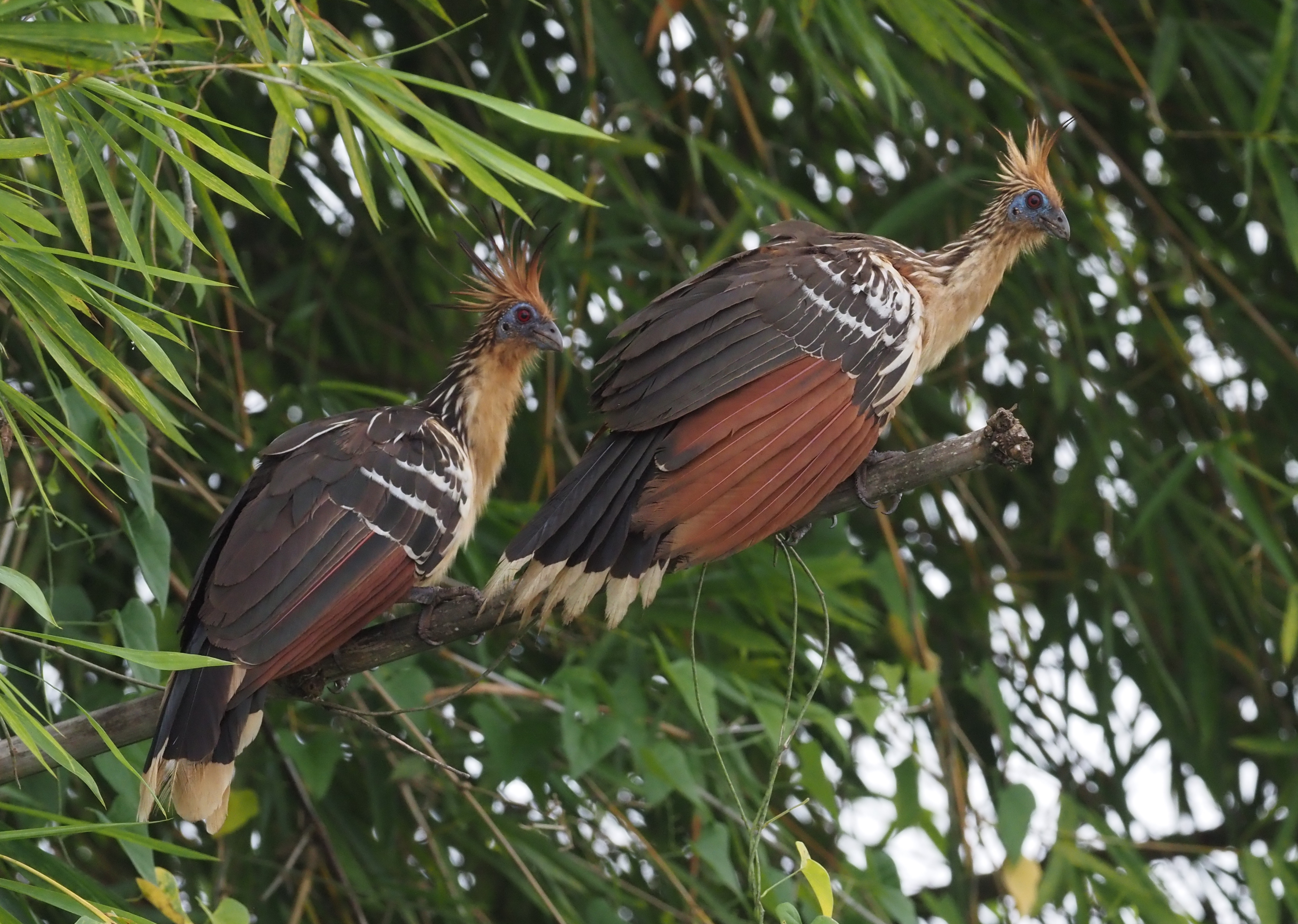
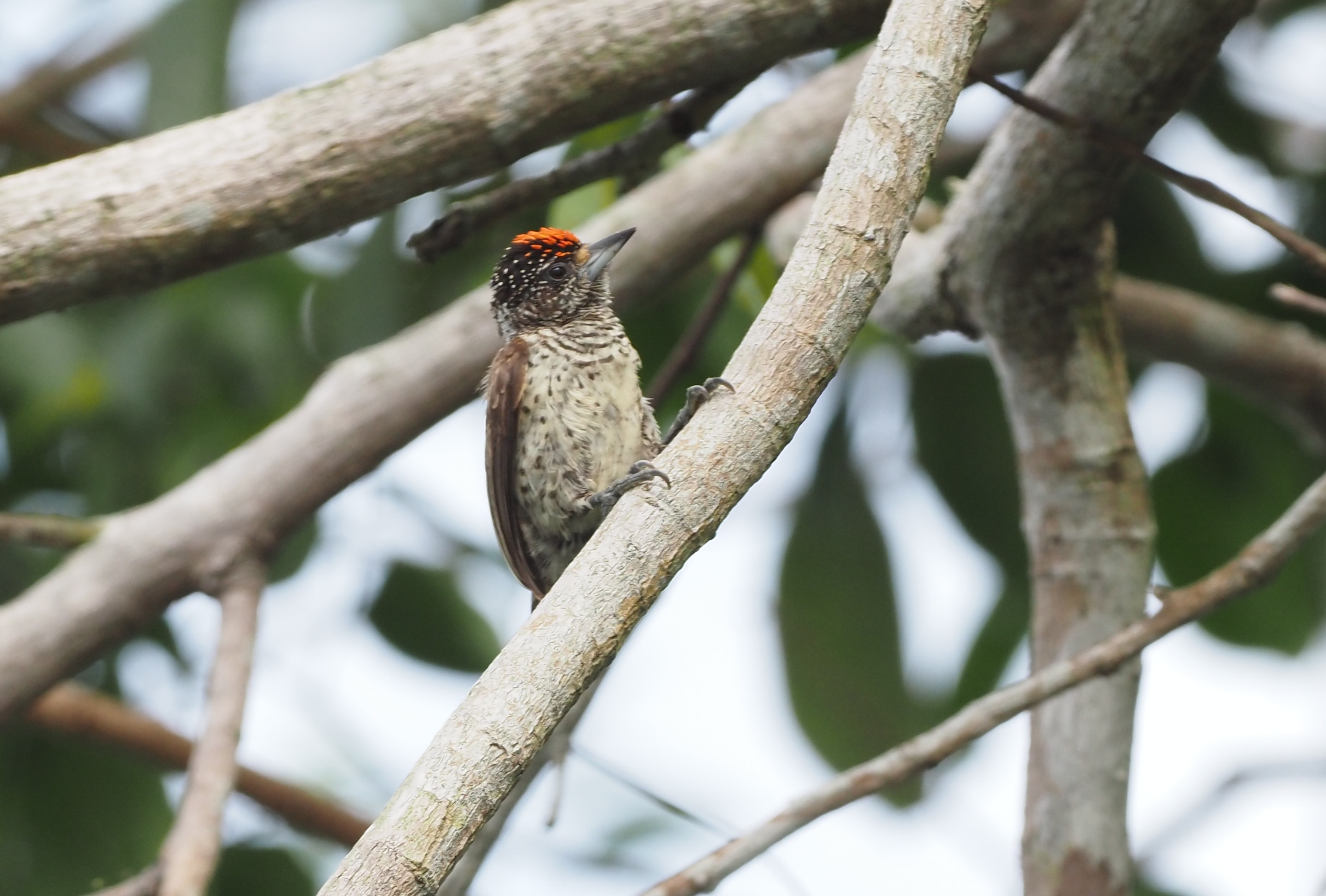
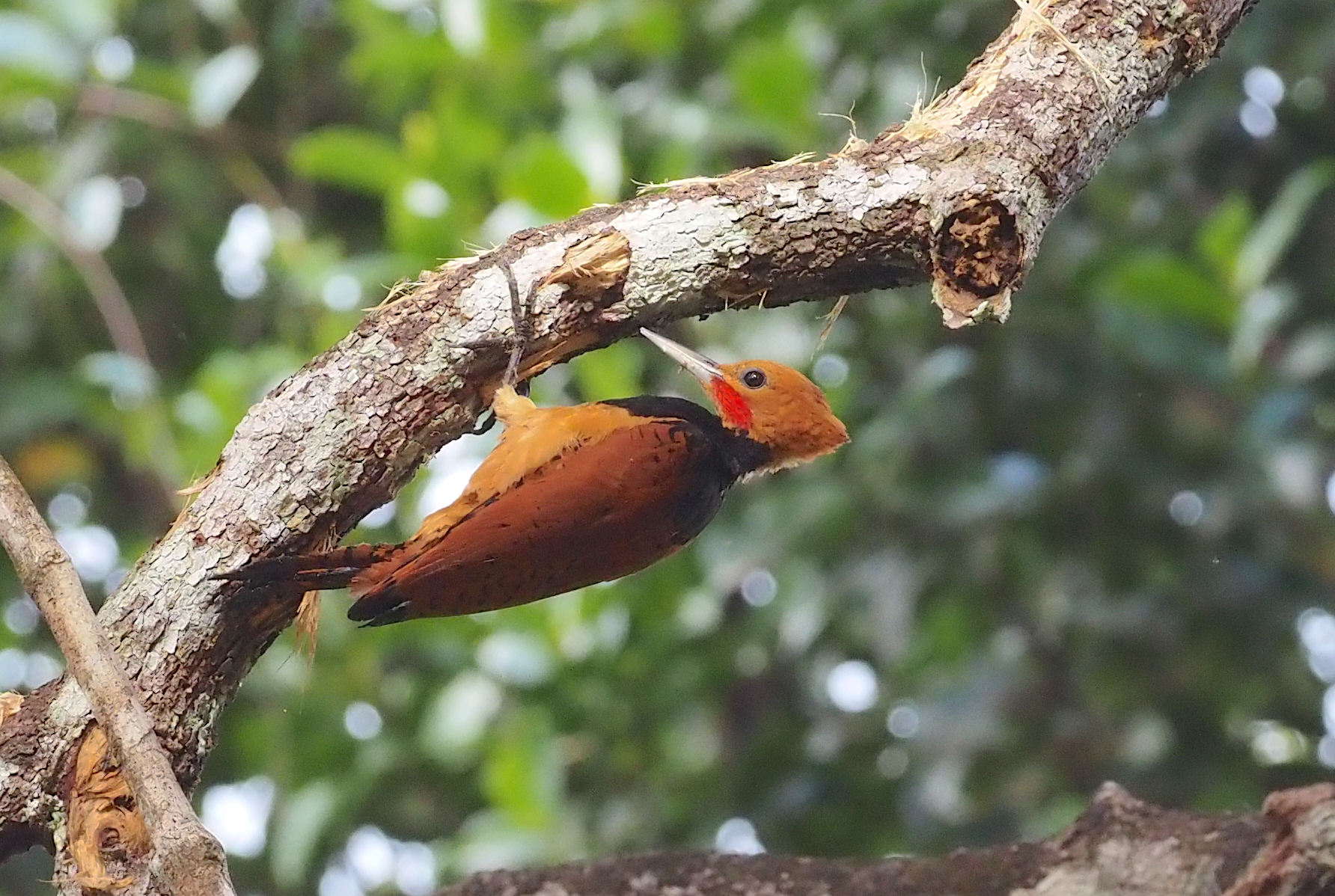
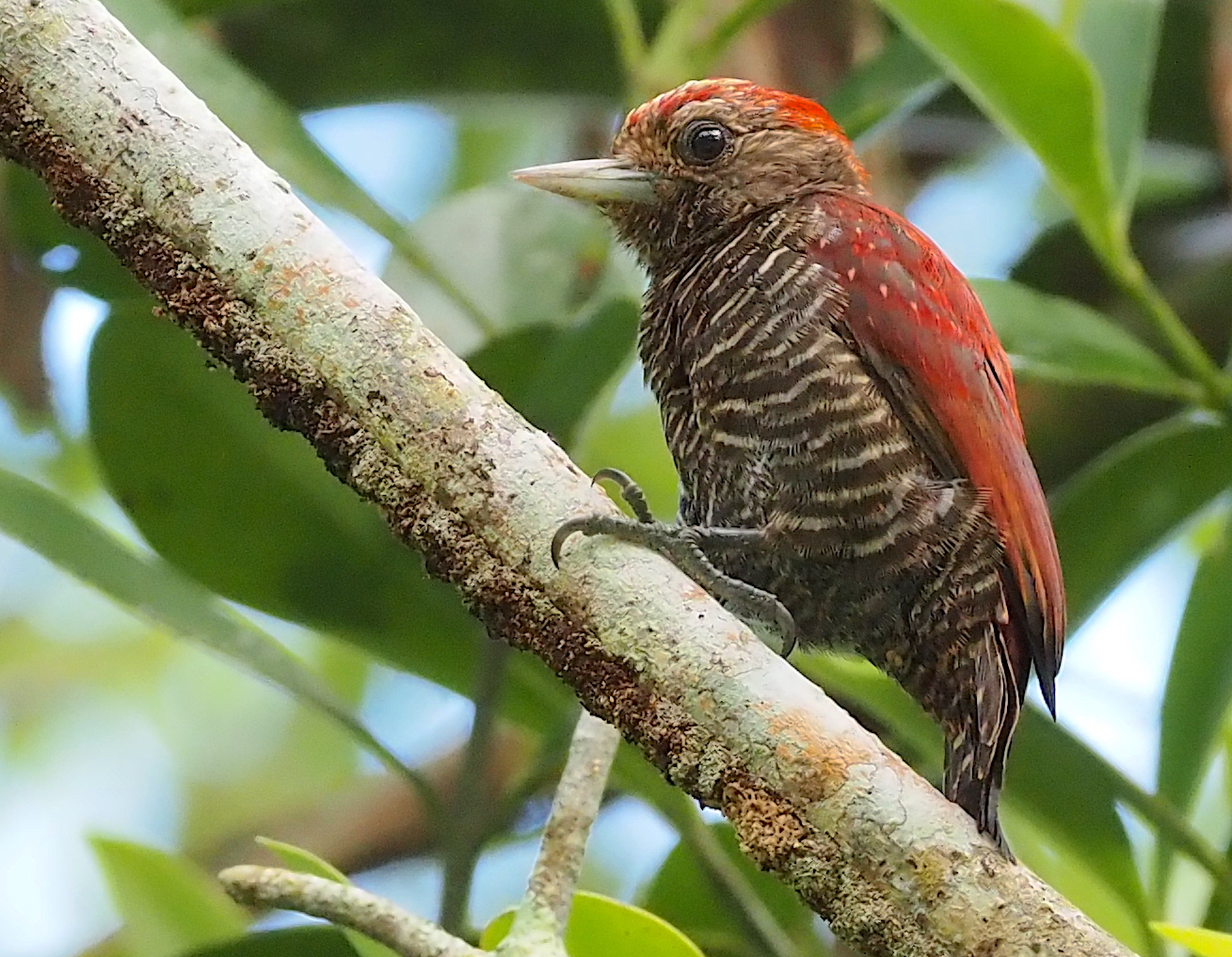
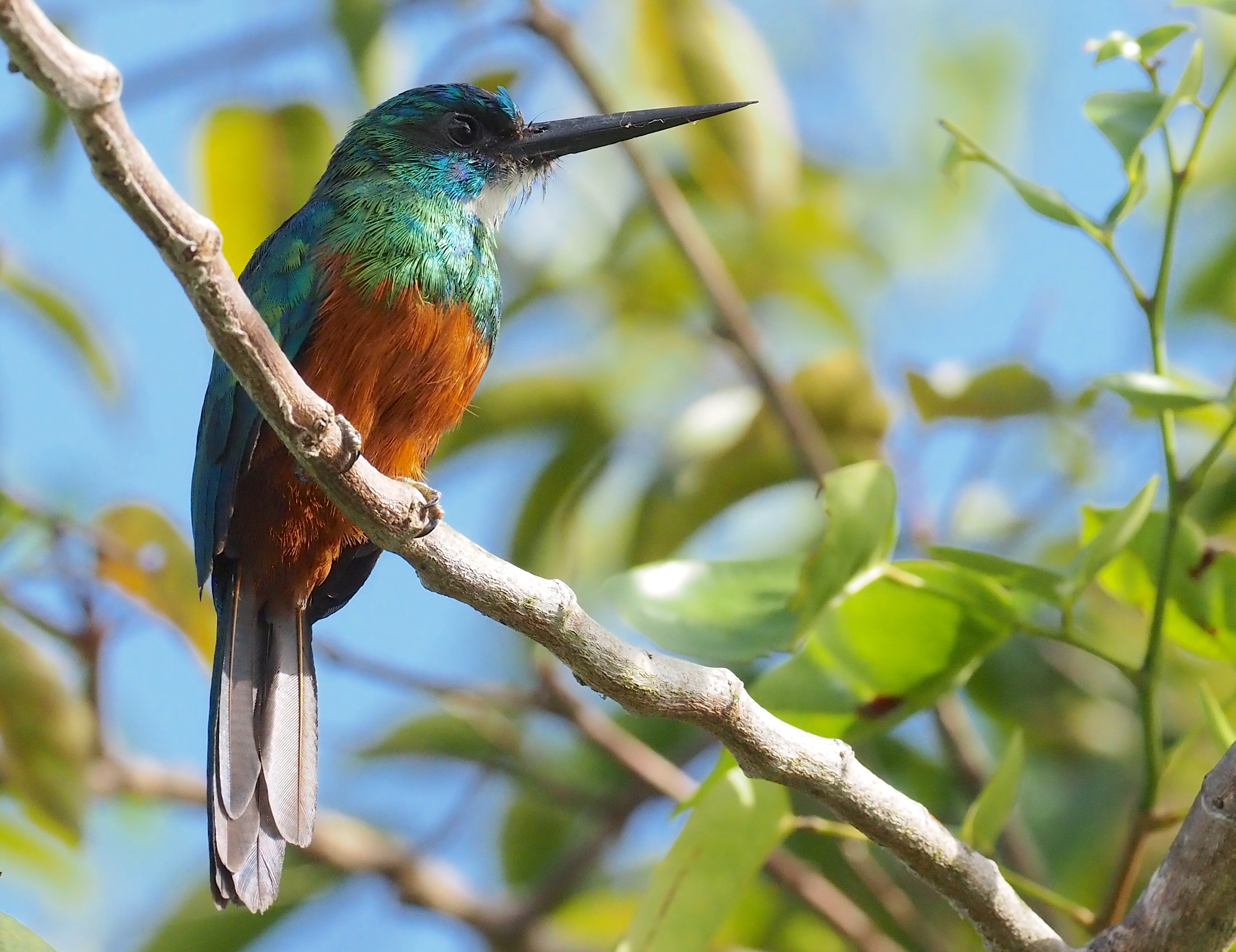
Day 2: During the early morning we will visit the Mahaica River east of Georgetown where a mixture of agricultural areas, wetlands, and riparian woodland support an excellent variety of bird species. Some of the specialties we look for this morning include Hoatzin, Blood-colored Woodpecker, Green-tailed Jacamar, and White-bellied Piculet plus a good selection of antbirds and flycatchers. A stop along the mangroves on the way back to Georgetown holds Rufous Crab Hawk and occasionally Scarlet Ibis among many shorebirds plus the rarely seen Mangrove Rail. It is not uncommon to record more than 100 species during the first full day.
Day 3: From Georgetown we fly into the interior to Iwokrama including a stop at the dramatic Kaieteur Falls, one of the largest single drop waterfalls in the world and a reminder of Guyana’s unique and ancient geology. We will spend 2 hours exploring the environs of the falls where several interesting birds can be found and we will have plenty of time to marvel at this natural wonder. Upon arrival at Iwokrama, we settle into our comfortable accommodation and start some initial birding in the lodge grounds and short trail system.
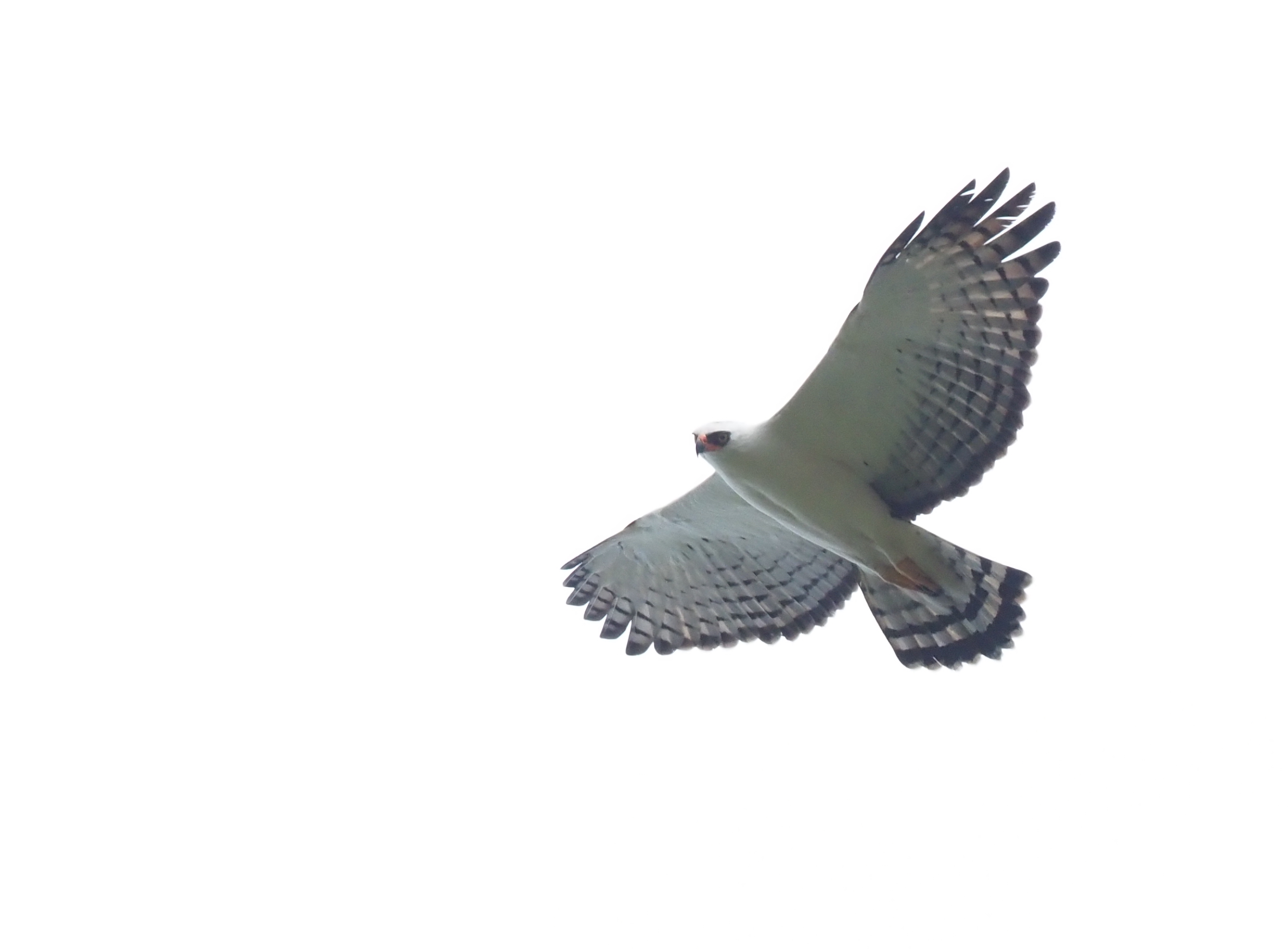
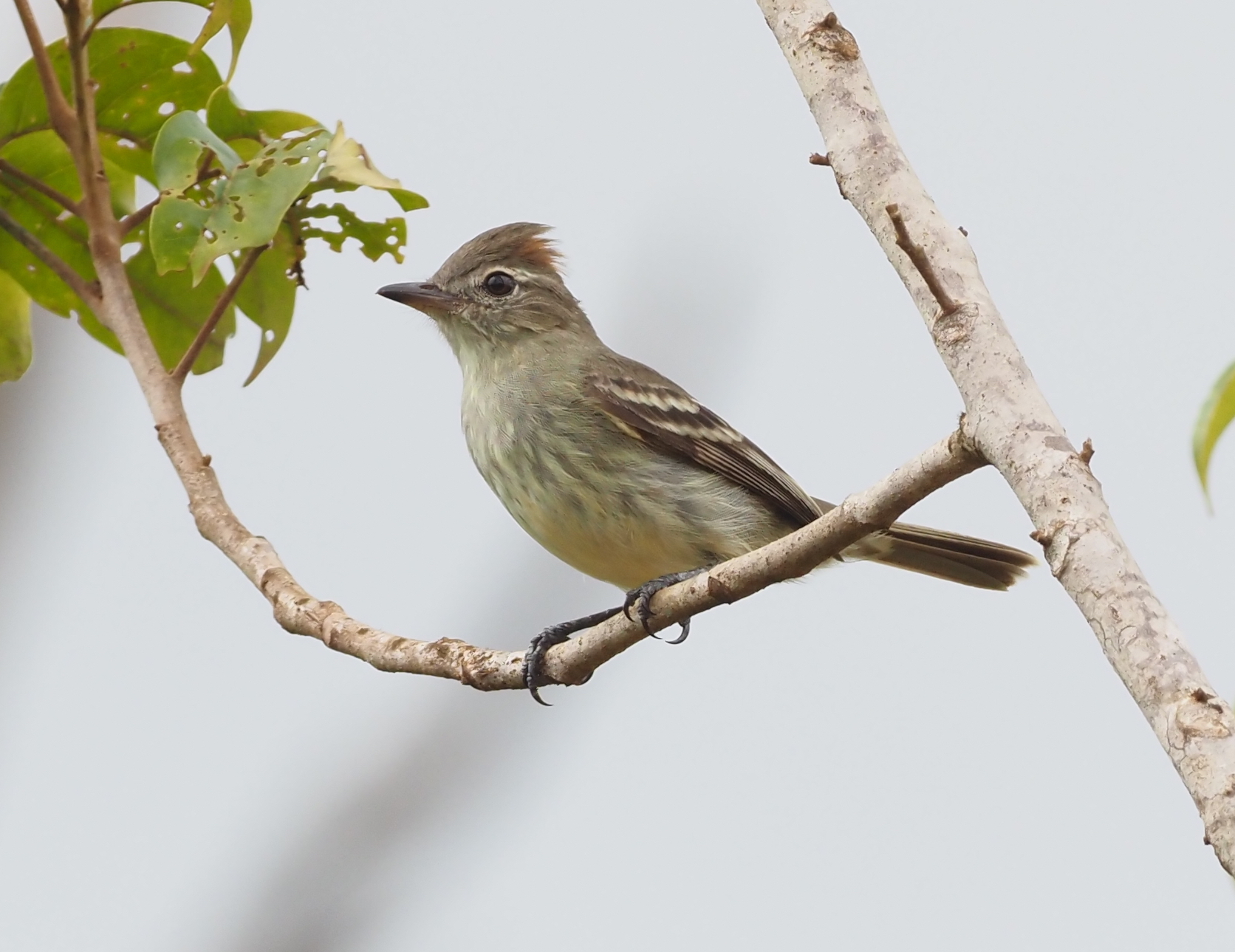
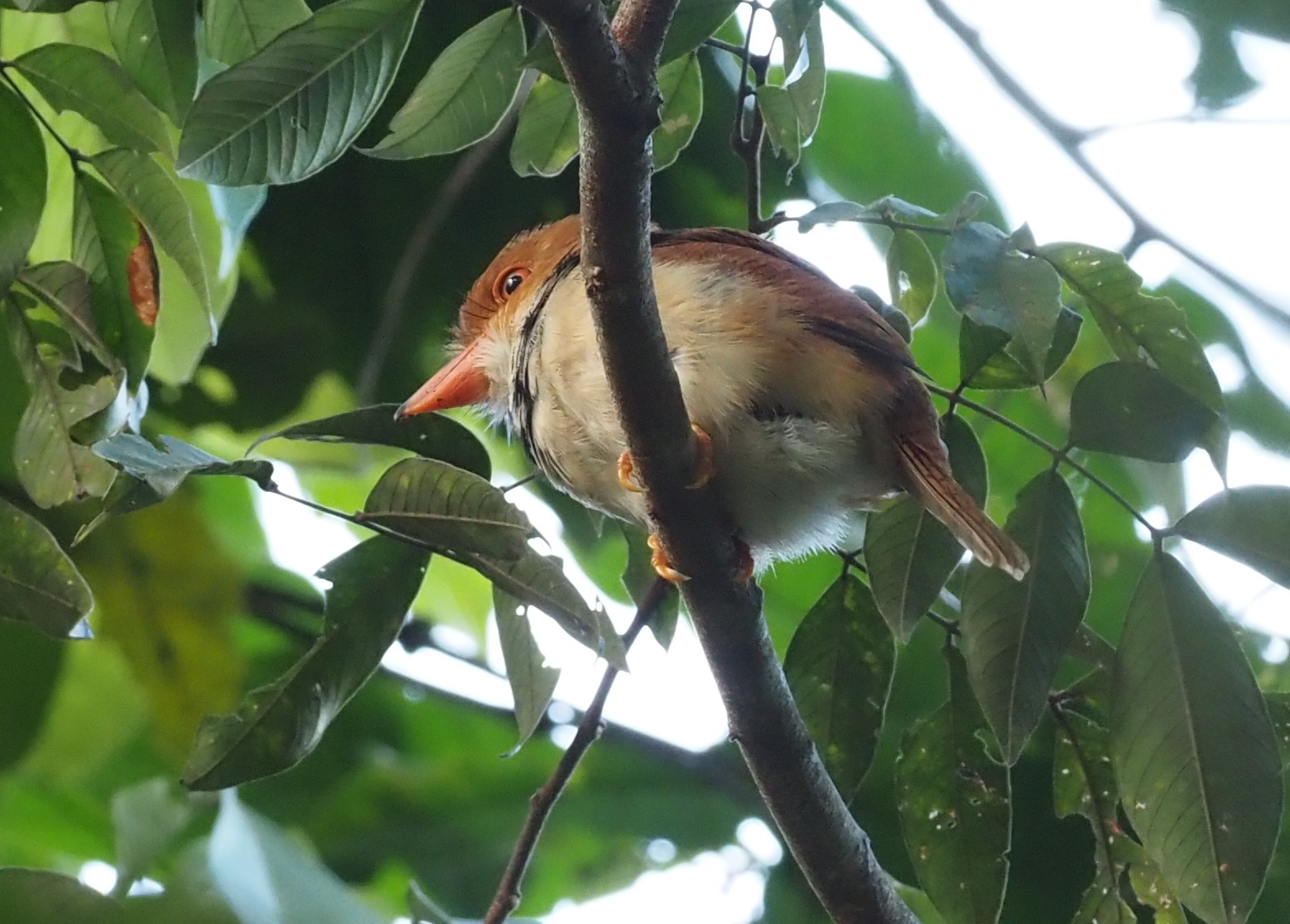
Day 4: Iwokrama River Lodge sits right along its namesake river and is surrounded by tall terra firme rainforest. An excellent trail system and possibly a boat tour offer access to this pristine and productive forest. In addition, small stretches of white sand forest can be found along the main road and this unique ecosystem of low, scrubby trees supports several specialties. Iwokrama is a great place to observe the bizarre Capuchinbird, Guianan, Pied and Collared Puffbirds, Bronzy Jacamar, Waved Woodpecker, Spotted Antpitta, Yellow-billed Jacamar, Green Aracari, Blue-cheeked Parrot, Black-and-white Hawk-Eagle, Black-headed Antbird, Rufous-crowned Elaenia, Rufous-capped Antthrush, Spot-winged Antbird and many, many more. Optional night birding here and at the other lodges could reveal Great, Common, White-winged and Long-tailed Potoos, Blackish Nightjar, Amazonian Pygmy-Owl, Black-banded Owl, Tropical and Tawny-bellied Screech-Owls.
Day 5: After some additional morning birding around the Iwokrama River Lodge we will pack up and continue. From the Iwokrama River Lodge we will travel south towards the Atta Rainforest Lodge. On the way we will make stops along the main road for additional species and in order to explore productive patches of forest. We plan to stop for a Guianan Cock-of-the-rock lek and watching these spectacular, glowing cotingas in the dark understory will be a highlight. We will also keep an eye open for any of the scarce large raptors since Harpy and Crested Eagles are always a possibility. We may even chance upon some Gray-winged Trumpeters crossing the road. Once we arrive at the Atta Rainforest Lodge, we will settle in and start birding along the entrance road.
Day 6: The Atta Rainforest lodge sits deep amidst tall rainforest and in addition to an excellent trail system the lodge also has a canopy walkway that offers the chance to observe some of the trickier treetop species. Some of the species around Atta include Black Curassow, Black-faced Hawk, Crimson Topaz, Spotted Puffbird, Guianan Toucanet, Todd’s and Spot-tailed Antwrens, and Atta is a particularly good site for the impressive Crimson Fruitcrow. White sand forests near the lodge hold a different array of specialties including Guianan Red Cotinga, the rare Pelzeln’s Tody-Tyrant, Guianan Schiffornis, Black Manakin, and Red-shouldered Tanager.
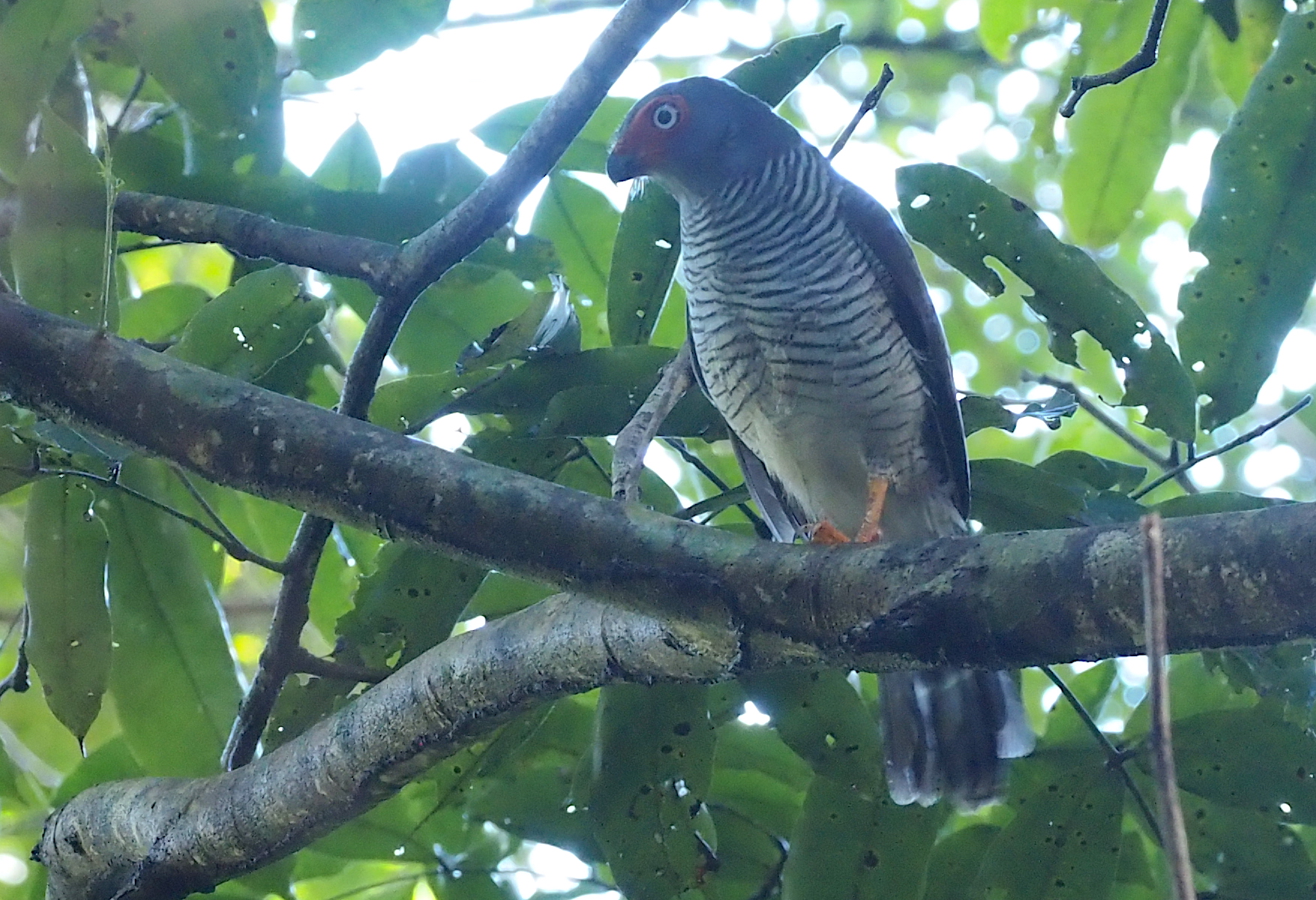
Day 7: After some final birding around the Atta Lodge, we will transfer to the Surama Ecolodge, again keeping an eye out for large raptors and any other species of interest along the way. Surama Ecolodge sits right on the rainforest and savanna ecotone and supports an incredible bird diversity with a site list of nearly 500 species. The lodge grounds are surrounded by open savannah and an extensive trail system crosses the primary rainforest nearby. The trails here are a delight to bird and offer many antbirds, tanagers, flycatchers, and Pompadour Cotinga. Rare possibilities include Lined Forest-Falcon, Rufous-winged Ground-Cuckoo, and Black-throated Antshrike. The nearby savannah is home to White-naped Xenopsaris.
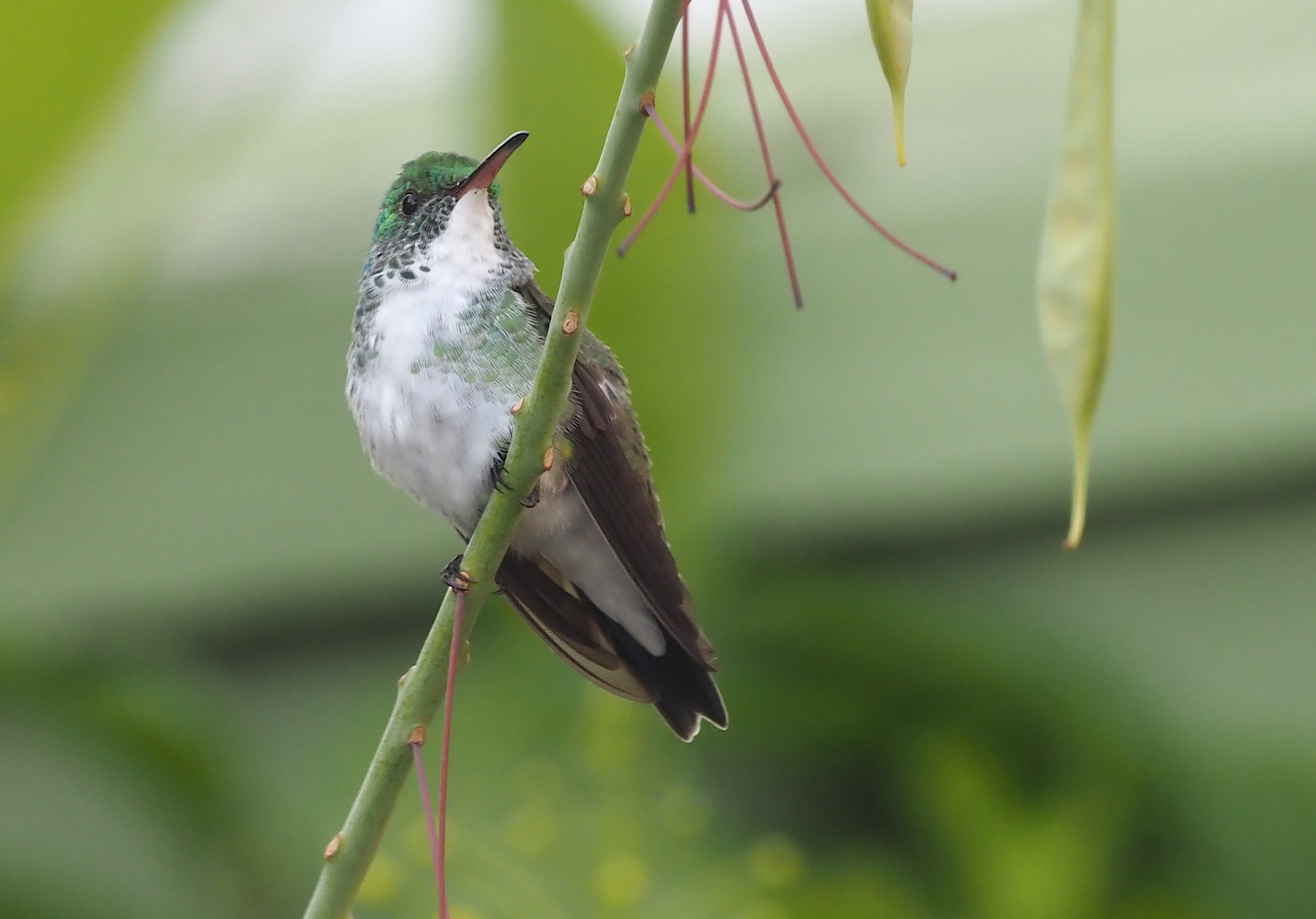
Day 8: We have a full day to take advantage of the variety of habitats that lie within walking distance of the Surama Ecolodge. During the early hours we will explore the trails deep within the forest where we search for a wide variety of species including Little Tinamou, Blue-throated Piping-Guan, Pale-vented Pigeon, Gray-fronted Dove, Fork-tailed Palm Swift, Long-tailed and Reddish Hermits, Glittering-throated Emerald, King and Greater Yellow-headed Vultures, Black Hawk-Eagle, Savanna Hawk, Green-backed and Guianan Trogons, Spotted and Swallow-winged Puffbirds, Black-spotted Barbet, Black-necked Aracari, Yellow-tufted, Red-necked, Lineated and Yellow-throated Woodpeckers, Laughing Falcon, Red-throated Caracara, Blue-headed Parrot, Mealy and Orange-winged Amazons, Painted and Brown-throated Parakeets, Red-and-green Macaw, Fasciated and Mouse-colored Antshrikes, Northern Slaty-Antshrike, Pygmy Antwren, Guianan Warbling, Gray, White-browed, Black-chinned, Ferruginous-backed and Common Scale-backed Antbirds, Plain-brown Woodcreeper, Wedge-billed Woodcreeper, Striped Woodcreeper, Tiny Tyrant-Manakin, Golden-headed Manakin, Purple-throated Fruitcrow, Spangled Cotinga, Screaming Piha, Helmeted Pygmy-Tyrant, Yellow-olive Flatbill, Ochre-lored Flatbill, Yellow-crowned Tyrannulet, Plain-crested and Yellow-bellied Elaenias, Lesser Elaenia, Bright-rumped Attila, Short-crested Flycatcher, Rusty-margined Flycatcher, Rufous-browed Peppershrike, Cayenne Jay, White-winged Swallow, Gray-breasted Martin, Long-billed Gnatwren, Tropical Gnatcatcher, Tropical Mockingbird, Finsch’s Euphonia, Grassland Sparrow, Crested Oropendola, Yellow-rumped and Red-rumped Caciques, Shiny and Giant Cowbirds, Silver-beaked, Blue-gray, Palm and Turquoise Tanagers, Blue Dacnis, Wedge-tailed Grass-Finch, and Ruddy-breasted Seedeater. This list represents just a sample of species present here and it is not uncommon to record more than 100 species per day here.
Day 9: We will have to leave very early in order to reach the remote village of Karasabai before the heat of the day sets in. We will travel to this remote corner of Guyana to seek one of South America’s rarest birds, the endangered Sun Parakeet. Seeing this spectacular golden parakeet careen over the rugged hillsides is special indeed. The habitat here is a mixture of grasslands and tropical dry forest offering a good selection of additional species. We then travel into the Rupununi savannah where wetlands may hold Pinnated Bittern, Crested Doradito, Bearded Tachuri, Sharp-tailed Ibis, Jabiru and many other wetland species. This is also the best place to observe Giant Anteater.
Day 10 and 11: During the next two days, we travel to the remote Rupununi savannah where we will search for the critically endangered Red Siskin, a species that only survives in the wild here where the local community protects the species. The grassy hills and scattered woodland hold a host of other species including White-faced Whistling-Duck, Brazilian Teal, Variable Chachalaca, Plain-breasted Ground Dove, Smooth-billed Ani, Short-tailed Swift, Long-billed Starthroat, Double-striped Thick-knee, Southern Lapwing, Wattled Jacana, Buff-necked Ibis, Pearl Kite, Brown-throated Parakeet, Point-tailed Palmcreeper, Northern Scrub-Flycatcher, White-headed Marsh Tyrant, Fork-tailed Flycatcher, Chivi Vireo, Bicolored Wren, Grassland Sparrow, Yellow Oriole, Burnished-buff Tanager, and Bananaquit.
Day 12: During the morning, we commence with final explorations of the Ireng River where the rare Hoary-throated Spinetail and Rio Branco Antbird occur. The open habitats and riverine scrub here will add a few more species to the list that reach their northern distribution limits here. After another successful birding outing, we transfer to Lethem from where we fly back to Georgetown.
Day 13: This day is set aside as a departure day and participants can fly home from Georgetown at any time during the day.

More Details
Trip Highlights
Top Birds
Sun Parakeet, Guianan Toucanet, Crimson Fruitcrow, Harpy Eagle, Capuchinbird, Blood-colored Woodpecker, Rufous Crab Hawk, Guianan Red Cotinga, Rio Branco Antbird, Guianan Puffbird, Red-fan Parrot, Hoatzin, Green Aracari, Sharp-tailed & Scarlet Ibises, White-winged Potoo, Grey-winged Trumpeter, Pompadour Cotinga, Red-and-black Grosbeak, Blue-backed Tanager, Hoary-throated Spinetail, White-bellied Piculet, and many more antbirds, woodcreepers, cotingas, manakins, flycatchers, macaws and parrots.
Top Mammals
Giant Anteater, Jaguar, Lowland Tapir, primates.
Habitats
riparian woodland, coastal mangroves and mudflats, lowland rainforest, white sand forest, tropical grasslands, wetlands
Other Attractions
pristine forest, Amerindian culture, wildlife, remote and unique sites
Planning for the Trip
Meeting Location
The tour starts in Georgetown Cheddi Jagan International Airport (GEO) and ends in Georgetown. Upon arrival participants will be transferred to the hotel in Georgetown where the group will meet for a welcome dinner.
Accommodations
Comfortable hotel in Georgetown with excellent restaurant. The rustic rain forest lodges are clean and comfortable with en suite bathrooms and electricity. The majority of lodges do not have air conditioning, but it cools enough at night for comfortable sleep.
Included
From Georgetown 12 nights lodging, all meals from 1st-night dinner through final day’s breakfast, charter flight to Iwokrama and internal flight from Lethem to Georgetown, transport, guides, entry fees.
Excluded
Alcoholic beverages, personal calls, laundry, and other personal expenses.
Expected Climate
Warm and humid with hot, sunny weather on the Rupununi savannah. Cooler nights and evenings.
Suggested Clothing and Gear
Credit cards/cash; Binoculars; Scope and tripod (optional); Sunglasses and sunscreen; Extra eyeglasses or contact lenses; Water bottle; Small umbrella; Small day pack/fanny pack; Small flashlight; Mosquito/insect repellant (DEET 25% or greater); Itch relief cream; Lip screen/balm; Prescription drugs – carry in original packaging to avoid customs problems; OTC medicines (antibiotics, cold/sinus, cough drops, eye drops, analgesic (Motrin, aspirin), anti-diarrheal); Toiletries; Hair Dryer; Cleaning fluids/cloths/drying cloths; Field guides; Note pads/pens (we provide trip checklists); Hiking Boots/Shoes; Rain hat, Sturdy, waterproof boots, light loose fitting clothing for warm climates, long sleeve